Meet the Maze
On the mark of a garden
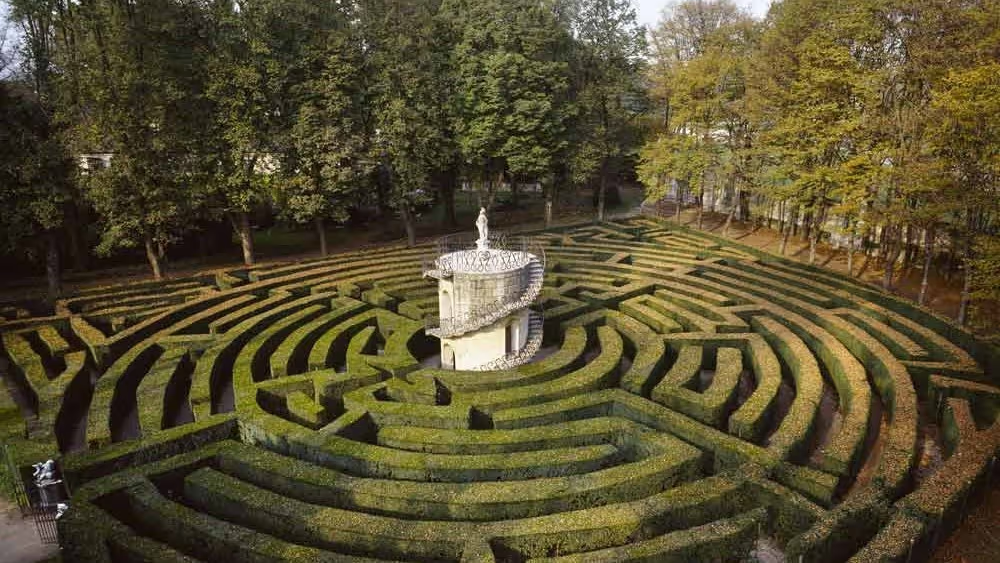
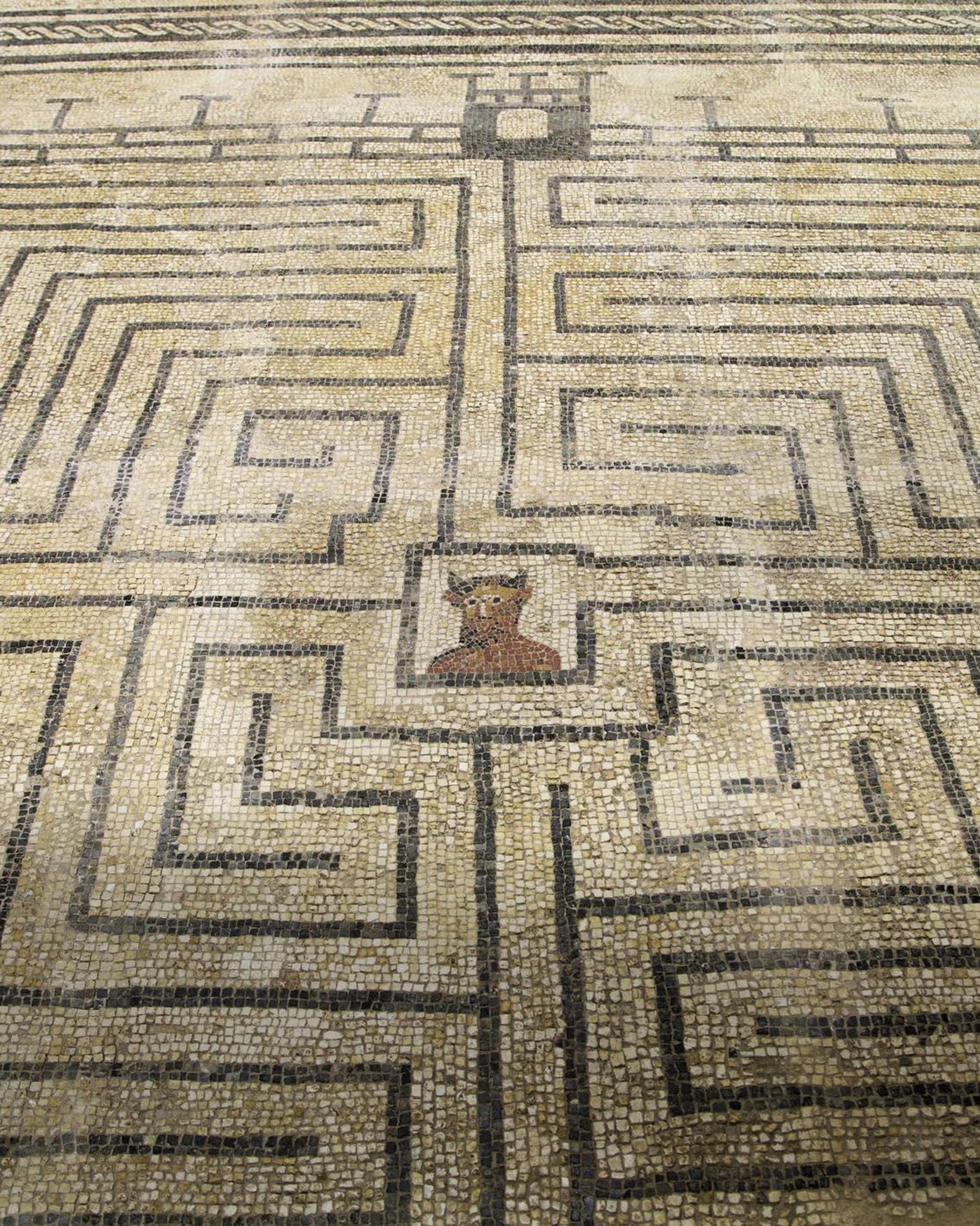
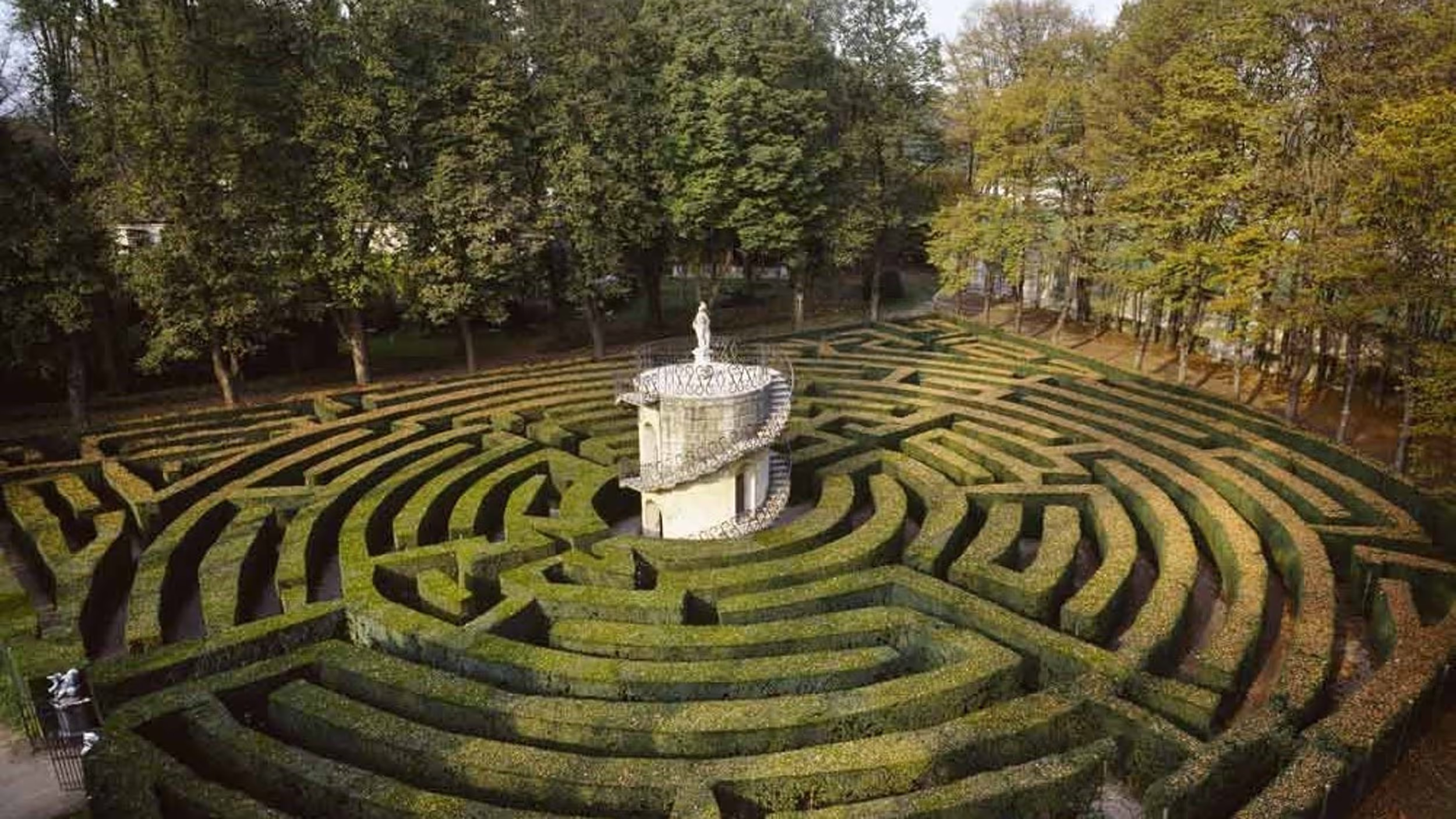
The maze has long been a way of shaping landscape with intent. From ancient myth to Roman mosaic, through to Renaissance painting, it reflects a desire to bring order to land - to give structure to something that might otherwise feel unresolved.
It is this lineage that informs the Munder Skiles logo, drawn from the yew maze at Hever Castle, England.
From above, it reads clearly. A geometry, composed and balanced. On the ground, it shifts. You walk it. You turn. You double back. You take your time.
A garden’s success lies not in how it looks from a distance, but in how it holds you when you are within it.
That same thinking carries through the furniture. Proportions are considered, but never overstated. Materials are allowed to settle and mature. Each piece is made to sit within a landscape, not to stand apart from it.
The maze is a reminder that design is not taken in at once. It reveals itself over time through use, through return.
Images:
Hever Castle Maze, Kent, UK
Roman mosaic of Theseus and the Minotaur, Conimbriga, Portugal, 2nd–3rd century AD
Lodewijck Toeput, Pleasure Garden with a Maze, c. 1579–1584
Villa Pisani labyrinth, Stra, near Venice, 18th century
%202.avif)

_-_Pleasure_garden_with_a_maze_-_c._1579-84%202.avif)